
Classical interiors have always been associated with elegance, proportion, and timeless beauty. Yet one of the most striking features that elevates such spaces beyond architecture and furniture is the art of wall painting. Frescoes and murals, whether subtle decorative motifs or large narrative compositions, remain powerful tools in shaping atmosphere and expressing cultural depth.
A Tradition Rooted in History
From ancient Roman villas to Renaissance palaces, wall paintings and frescoes were used to communicate stories, celebrate heritage, and introduce a sense of grandeur. They were never purely decorative — they carried meaning, symbolism, and spiritual resonance. In classical interiors today, they preserve that connection to history while adapting to contemporary design needs.
Murals as a Statement in Modern Classics
Murals bridge tradition and innovation. In a classical setting, they may depict landscapes, mythological scenes, or ornamental patterns that harmonise with columns, arches, and mouldings. When crafted with taste, a mural can become the focal point of a room, adding depth, texture, and an element of exclusivity.
Frescoes and the Illusion of Space
Frescoes, with their technique of painting directly onto wet plaster, are celebrated for their durability and unique matte finish. In classical interiors, they can visually expand space, create perspective, or enrich ceilings with celestial imagery. The fresco technique provides not just decoration, but a seamless integration of art into architecture.
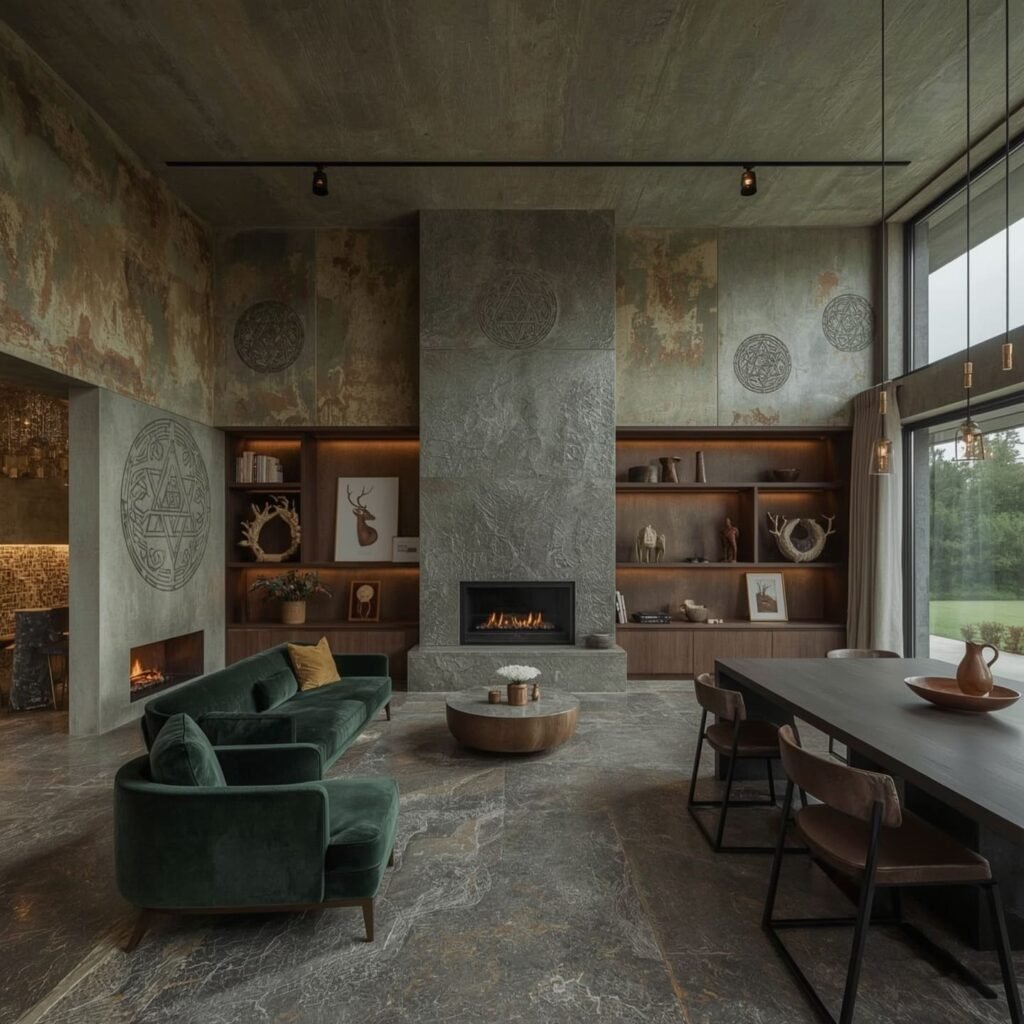
Design and Taste as Foundations
The success of wall paintings in classical interiors depends on design and taste. Every choice — colour palette, theme, proportion — must respect the harmony of the room. It is this sensitivity to balance that transforms walls into living canvases, filling the space with refinement and emotional depth.
Conclusion
Wall paintings, frescoes, and murals are more than decoration in classical interiors — they are bridges between past and present, art and architecture, beauty and meaning. With thoughtful design and skilled execution, they bring timeless character, enrich the inner world of inhabitants, and reaffirm the exclusivity of classical style.
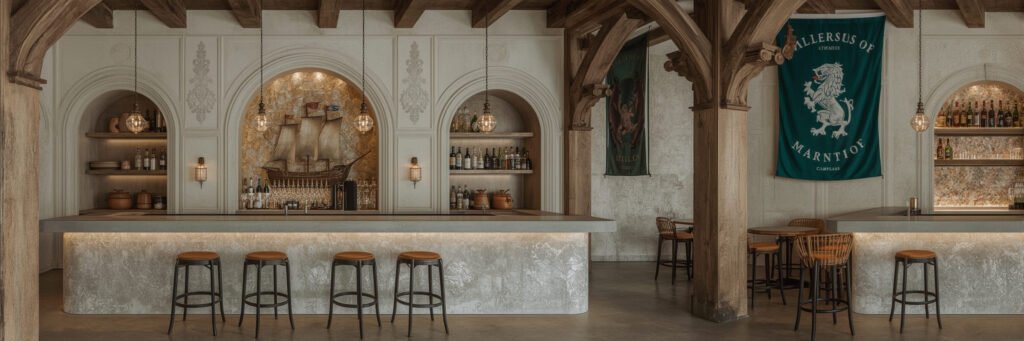
Symbolism and Emotional Impact
Each mural or fresco in a classical interior is not just an ornament, but a visual narrative. It can inspire reflection, evoke a sense of harmony, or bring to life mythological and historical motifs that resonate with cultural memory. Such symbolism enriches the emotional impact of a space, making it not only aesthetically refined but also spiritually meaningful.
Exclusivity and Modern Demand
In the modern world, where uniqueness and exclusivity are highly valued, hand-painted walls, frescoes, and murals offer a rare opportunity to own something truly one-of-a-kind. Unlike wallpapers or printed panels, these works of art are created individually, tailored to the architecture and taste of the client. This makes them a hallmark of prestige and adds significant value to any classical interior.